
If you’ve ever been in the middle of helping your child with homework and heard them ask, “But why do we have to do it this way?”—you’ve probably had one of two reactions: either you answered quickly just to move things along, or you felt a little frustrated.
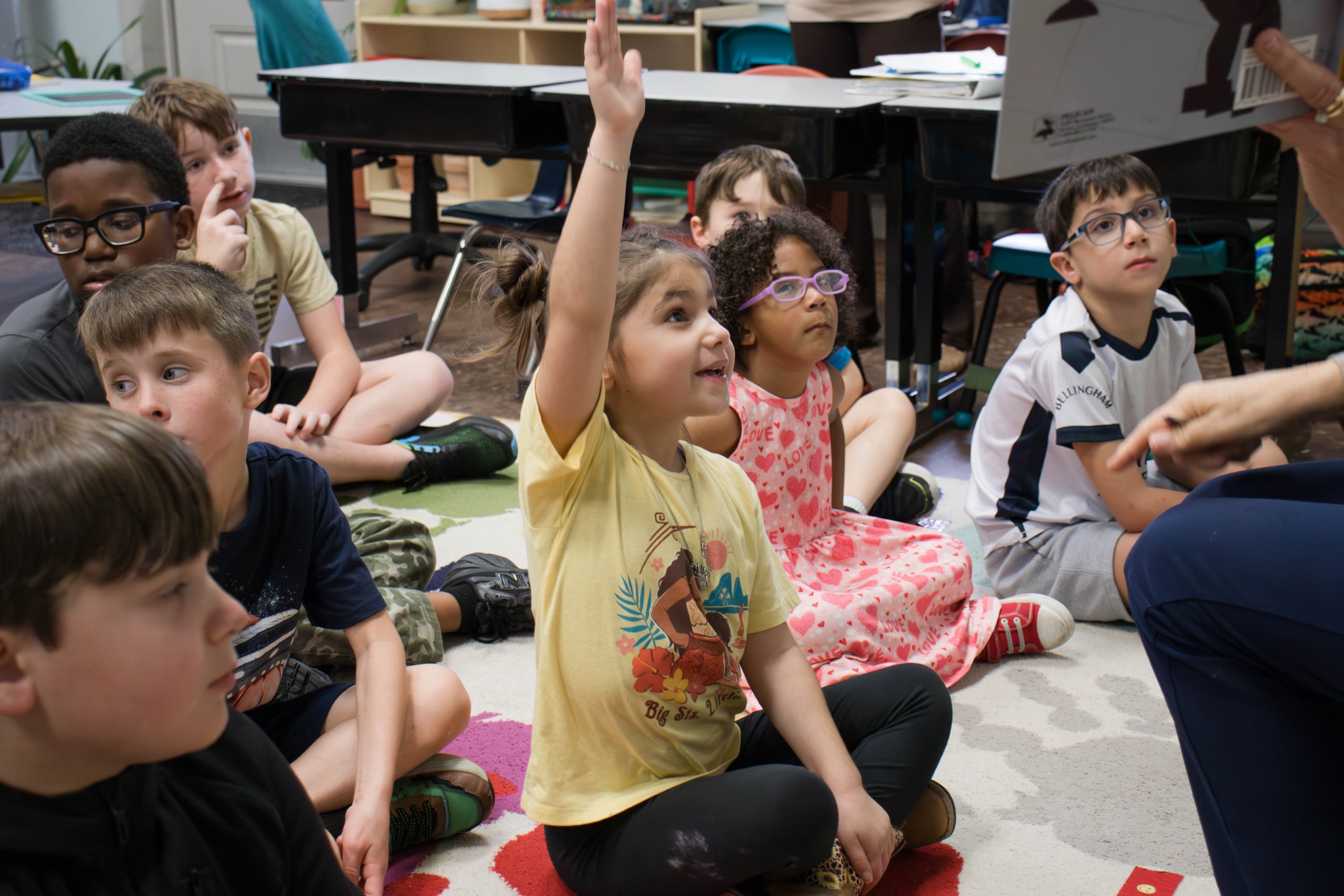
But that question—“why?”—is actually one of the most powerful tools a child has for learning. When kids are encouraged to ask questions instead of just memorizing answers, they don’t just learn faster… they learn deeper. And more importantly, they remember it longer.
Curiosity is the Brain’s Learning Switch
Children are naturally curious. They want to understand how things work, why rules exist, and what connects ideas together.
When a child asks “why,” their brain is actively trying to build connections instead of just storing facts. That’s where real learning happens.
For example:
- Instead of memorizing that 6 × 4 = 24, a child who understands why multiplication works can apply it in real-life situations.
- Instead of copying a sentence, a child who asks why punctuation matters begins to write with meaning and clarity.
That shift—from memorizing to understanding—is what builds long-term success.
“Why” Turns Passive Learning Into Active Thinking
A lot of traditional learning focuses on getting the right answer. But when kids ask “why,” they move from being passive learners to active thinkers.
That means they’re no longer just receiving information—they’re processing it.
This helps children:
- Develop problem-solving skills
- Think more independently
- Become more confident in their answers
- Understand how to learn, not just what to learn
And those skills matter far beyond the classroom.
How Parents Can Encourage More “Why” Moments
You don’t need to overhaul your child’s learning routine. Small shifts make a big difference:
- Pause before answering questions and ask them what they think first
- Encourage curiosity in everyday life (Why do leaves change color? Why does ice melt?)
- Let them explore mistakes instead of immediately correcting them
- Celebrate curiosity, even when it slows things down
Over time, kids begin to see questions as part of learning—not something to rush past.
The Bigger Picture
In today’s world, information is everywhere. Kids can look up almost any answer in seconds. What really sets them apart isn’t memorizing facts—it’s knowing how to think, question, and understand.And that starts with something simple:
Letting them ask “why?”
Because behind every confident learner is a child who was once allowed to be curious.
Connected Pick
Khan Academy Kids
Have your child use a learning app like Khan Academy Kids and focus on encouraging “why” questions while they explore.
How to use it:
- Let your child choose a lesson (reading, math, or science).
- As they go through it, pause and ask:
- “Why do you think that answer is correct?”
- “Why do you think they taught it that way?”
- If the app gives feedback or explanations, have your child restate it in their own words.
Unplugged Activities
The Why Chain Game
How to play:
Start with a simple statement:
- “We brush our teeth every night.”
- Ask your child: “Why?”
- After they answer, ask “why” again based on their response.
- Keep going 3–5 levels deep.
Example:
- We brush our teeth every night.
- Why? → To keep them clean.
- Why? → So we don’t get cavities.
- Why? → Because sugar can damage teeth.
Why it works:
This builds critical thinking and helps kids realize that learning isn’t about one answer—it’s about understanding layers of meaning.