Sinking In Stress
You’ve more than likely experienced stress at some level in your life, and for many, it’s a daily occurence. But stress isn’t just an emotion; it’s a mental, emotional, and physical response in the body. When the body is under stress, it triggers the “fight or flight” response, and while this response is meant to help us in times of danger, prolonged states of stress can result in havoc on the body. If stress is allowed to continue without relief it can lead to headaches, upset stomach, chest pain, problems sleeping, depression, anxiety, and it can even bring on or worsen certain symptoms or diseases like heart disease and cancer.
Stress is not exclusive to adults, it’s also a problem with children. It’s rooted in the demands placed on us, and the ability to meet them, whether from outer sources or from within. But what could a kid have to stress about? The short answer — plenty. Just like adults, children are worried about living up to what they think they should be capable of doing versus what they’re actually able to do. They’re worried about the demands of school, the pressure to make friends, keep good grades, and to fit in. Children are also susceptible to the stress and bad news around them. They may overhear parents arguing, discussing financials, or speaking of an ill relative.
Your child might also be overscheduled. If your child is complacent about extracurriculars or tries to avoid going, they might be burnt out. If a child’s schedule becomes too busy, they won’t have time to relax after the demands of a school day.
You may be wondering if the solution is to shelter your child, and protect them from anything that might cause stress, but in reality, it just happens. You can’t realistically prevent all the stress your child may encounter, but you can be aware of indicators of stress in your child to know when it’s time to address it.
What are some signs of stress in a child?
Emotional Indicators
- New or recurring fears
- Clinginess or an inability to be alone
- Development of a nervous habit, such as nail biting
- Aggressive or stubborn behavior
- Inability to control emotions or overreaction to minor issues
- Withdrawal from family or friends
- Difficulty concentrating
- Reverting to behavior presented at an earlier age
Physical Indicators
- Frequent stomach aches
- Headaches
- Bedwetting
- Sleep issues or nightmares
- Decreased or increased appetite
- Excessive hair twirling, thumb sucking, or nose picking
Realizing your child may be having an issue with stress can be, well…stressful. Recognizing the issues and addressing them early on can help improve your child’s mental, emotional, and physical state. If you’ve noticed your child is under stress, there are several ways to help them.
How to help your child cope with stress
- First and foremost, good nutrition and adequate sleep are in order. Without either, your child is missing the building blocks to be happy and healthy.
- Make yourself available to your child every day, even if it’s just sharing the room with them while you do separate activities.
- Create an open line of communication, but don’t force your child to talk if they don’t feel like it. Forcing communication with your child can lead to an even greater urge to bottle their emotions.
- Assess their schedule. It may be time to cut back on extracurriculars or weekend activities. Just like adults, children need time to relax even if it seems like they have infinite energy.
- Prepare them for events that might be stressful. If a loved one is sick, prepare your child for possible outcomes. If they have a doctor’s appointment approaching, talk to them about what to expect. Doing so will prevent your child from feeling blindsided, and it will build trust in your relationship.
- Don’t be afraid to discuss your own fears or stresses with your child in an age-appropriate manner. When a child sees someone they look up to in a vulnerable state, they’ll understand that it’s okay to have fears or stresses.
- Set aside time to unwind — take a walk, dance to some music, play a game, or watch a movie.
In all, know that a little stress in your child’s life is inevitable and perfectly normal. Remember to assure them that fears, anger, and anxiety are all natural emotions that occur in life, and that you’re confident they can handle the emotions when they present themselves.
Unplugged Activities
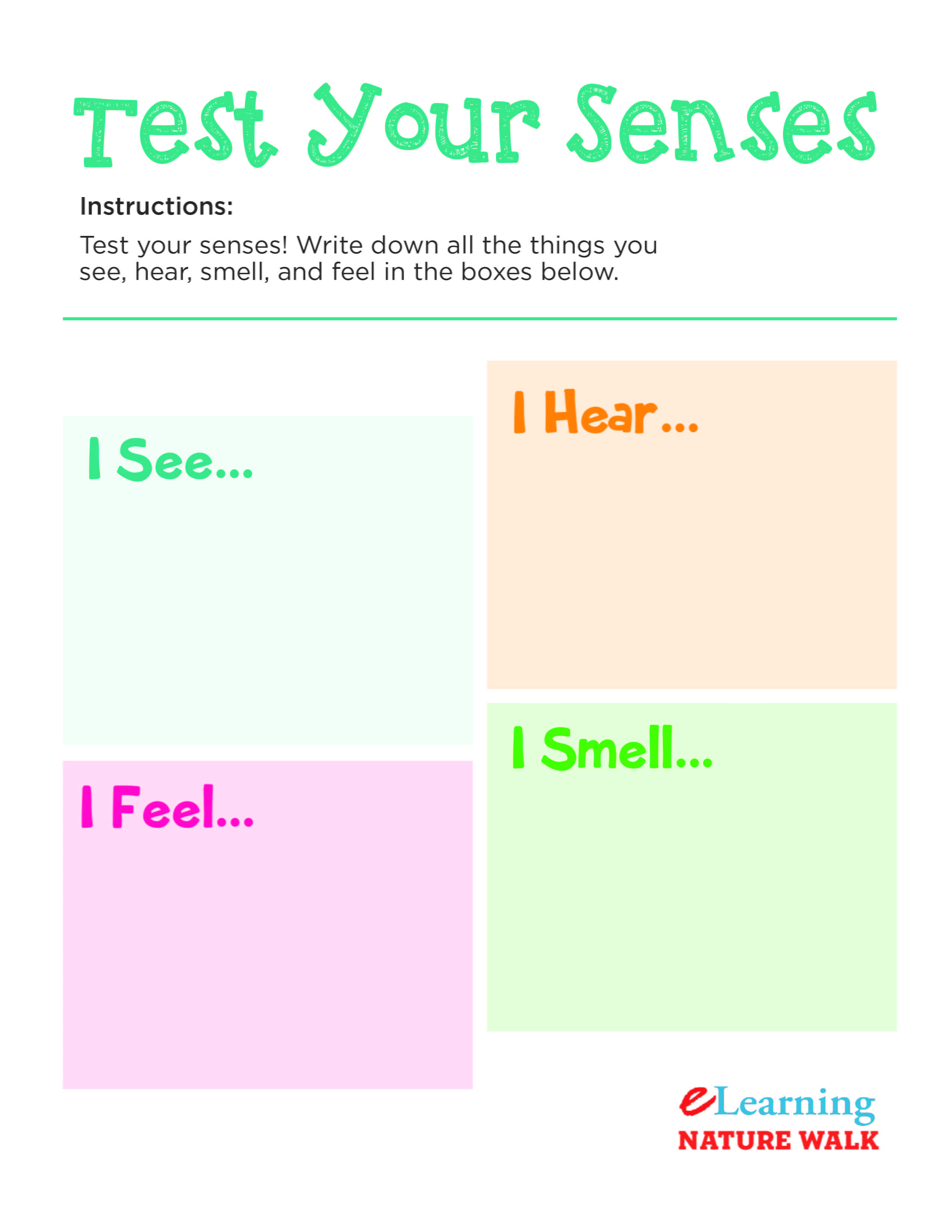
Brain Break | eLearning’s Nature Walk
Rough day at school, tough time getting through homework, feeling overwhelmed, or looking for a productive break? A walk through nature is in order! While a breath of fresh air, and physical movement have their own advantages, you can also use this time as an educational opportunity while allowing your child to relax with you.