
Music helps students develop skills they’ll use throughout their lives, from problem-solving and creativity to confidence and communication.
Whether a student dreams of becoming a musician or simply enjoys listening to their favorite songs, music can play an important role in their education and personal growth.
Music Helps the Brain Learn
Music engages multiple areas of the brain at the same time. When students sing, clap rhythms, or learn a new piece of music, they’re practicing memory, concentration, and pattern recognition. These skills can also support learning in subjects like reading, math, and science.
Learning music encourages students to listen carefully, follow directions, and think critically—all valuable skills inside and outside the classroom.
Music Builds Confidence
Learning a new song or mastering a difficult rhythm doesn’t happen overnight. It takes patience, practice, and perseverance. As students improve, they gain confidence in their abilities and begin to understand that progress comes from consistent effort.
Performing for classmates or family members can also help students become more comfortable speaking and sharing their talents with others.
Every Student Can Benefit
Music is much more than a fun elective. It’s a meaningful part of a well-rounded education that supports academic growth, creativity, confidence, and lifelong learning. Every student can benefit from opportunities to explore music, whether they’re singing, playing an instrument, or simply discovering a new appreciation for the art form.
Connected Pick
Chrome Music Lab
Chrome Music Lab lets students experiment with rhythm, melody, sound waves, and even create their own songs through interactive activities. It’s easy to use, free, and designed for learners of all ages.
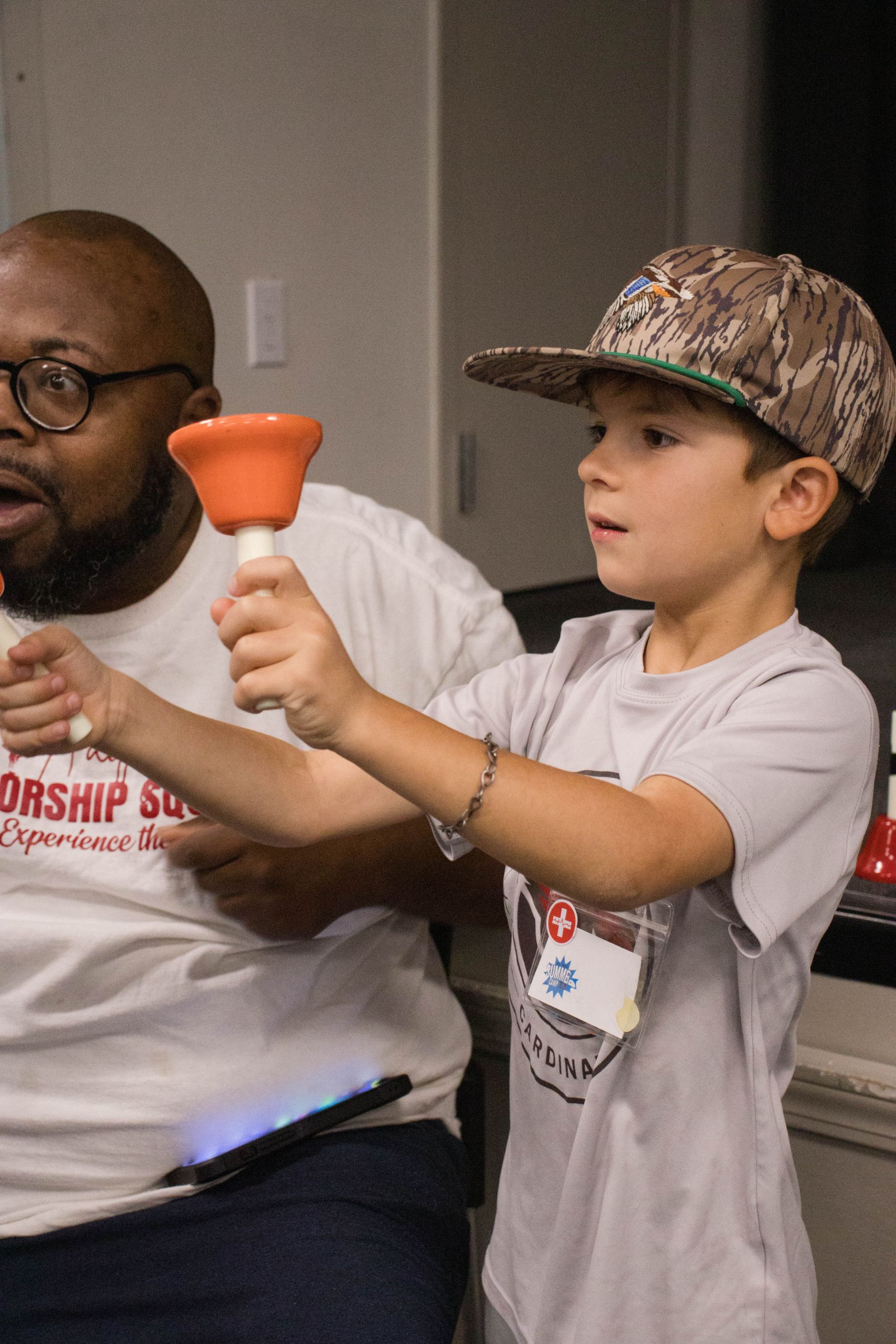
Unplugged Activities
Create Your Own Rhythm
Gather a few household items like plastic cups, wooden spoons, pots, or containers and create your own rhythm band. Challenge students to clap or tap out a simple beat and have family members repeat it. Then take turns creating new rhythms for everyone to follow.