
For decades, traditional education relied heavily on passive learning: students sat at desks, memorized facts, took notes from lectures, and proved their knowledge on multiple-choice exams. While this model can cover a broad set of facts quickly, it often leaves students asking the age-old question: “When am I ever going to use this in real life?”
Hands-on, project-based learning (PBL) flips this dynamic completely.
Instead of starting with a textbook chapter and ending with a test, PBL starts with a real-world problem or creative challenge. Students build, experiment, collaborate, and solve—learning core academic concepts along the way as necessary tools to accomplish their goals.
Whether it’s designing a bridge, coding a simple application, or exploring dynamic concepts through hands-on art and science projects during specialized enrichment camps, hands-on learning transforms students from passive listeners into active problem-solvers.
Deepens Comprehension and Retention
When students simply read or hear a fact, retention rates drop significantly over time. However, when they apply a concept to create a tangible outcome, the brain forms far stronger neural connections.
Boosts Engagement and Fosters Curiosity
Engagement soars when students feel ownership over their work. PBL gives learners choice in how they approach a challenge or present their findings, tapping into their interests.
When a child realizes that their education allows them to explore their passions—whether that’s robotics, visual arts, environmental science, or digital creation—school stops feeling like a daily chore and starts feeling like an opportunity to create.
Bridges the Gap Between School and the Real World
Project-based learning demonstrates why knowledge matters. By connecting lessons directly to practical applications, students see the real-world value of what they are learning.
Connected Pick
Seesaw
Seesaw is the ultimate bridge between physical, hands-on projects and digital reflection. After completing an offline challenge, students take photos, record short voice notes, or draw over their work to explain how they solved the problem.
Unplugged Activities
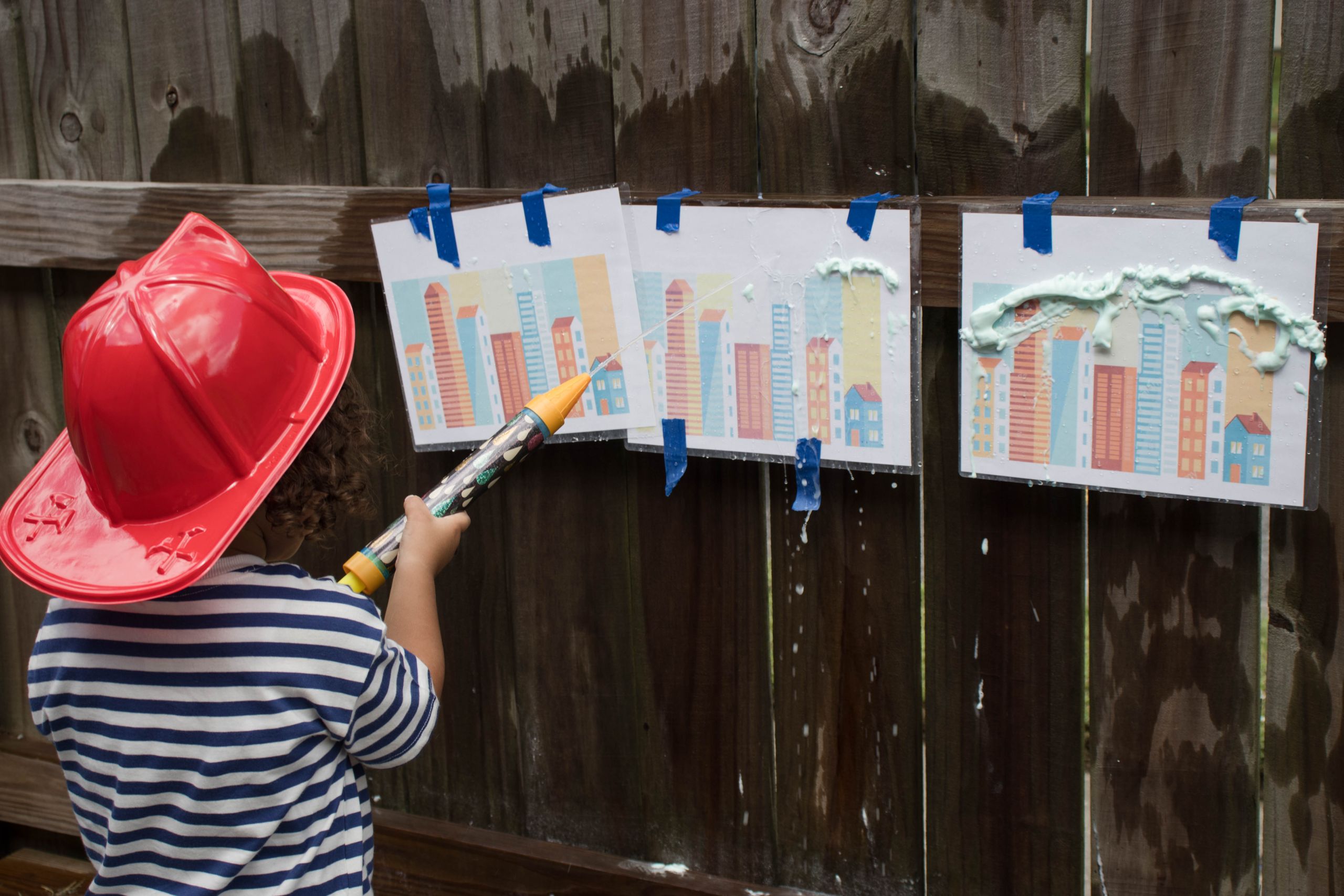
Firefighter Challenge
Students act as real firefighters on a emergency call! By using squirt bottles or spray pumps to wash away red and orange soap “fire” off laminated building sheets, learners practice cause-and-effect while developing key physical and cognitive skills.