
When parents think about helping their children do well in school, they often think about, reading, studying, and preparation. But there’s another important part of the school day that deserves attention: physical activity.
Kids spend a lot of time sitting, working on assignments, and concentrating on new information. Giving them opportunities to move throughout the day can support their overall well-being and help them return to learning ready to participate. From PE class and recess to a quick movement break at home, physical activity can be part of a child’s learning routine.
Why Movement Matters for Learning
Helps Support Focus and Attention
After sitting for a long period of time, children may have a harder time staying engaged. A short movement break gives them a chance to stand up, stretch, and use some energy before returning to their work. Activities don’t have to be complicated. A few jumping jacks, a quick walk, or a short dance break is all thats needed.
Supports Brain Health and Memory
Physical activity increases blood flow throughout the body, including the brain. Research suggests that regular movement can support aspects of children’s cognitive function, including attention, memory, and executive function. Movement can be one part of supporting children’s learning and development.
Can Help Manage Stress
School can be demanding, especially when children are balancing assignments, tests, extracurricular activities, and friendships. Movement gives kids a healthy way to take a break and release some tension. Walking, playing outside, dancing, or participating in a favorite sport can help them unwind and return to their responsibilities with a fresh perspective.
How Parents Can Encourage Movement at Home
Parents don’t need to create a detailed exercise plan to help their children stay active. Small changes throughout the day can provide more opportunities for movement.
- Make outdoor time part of the routine. When the weather allows, take a family walk, visit a playground, or play a game in the yard.
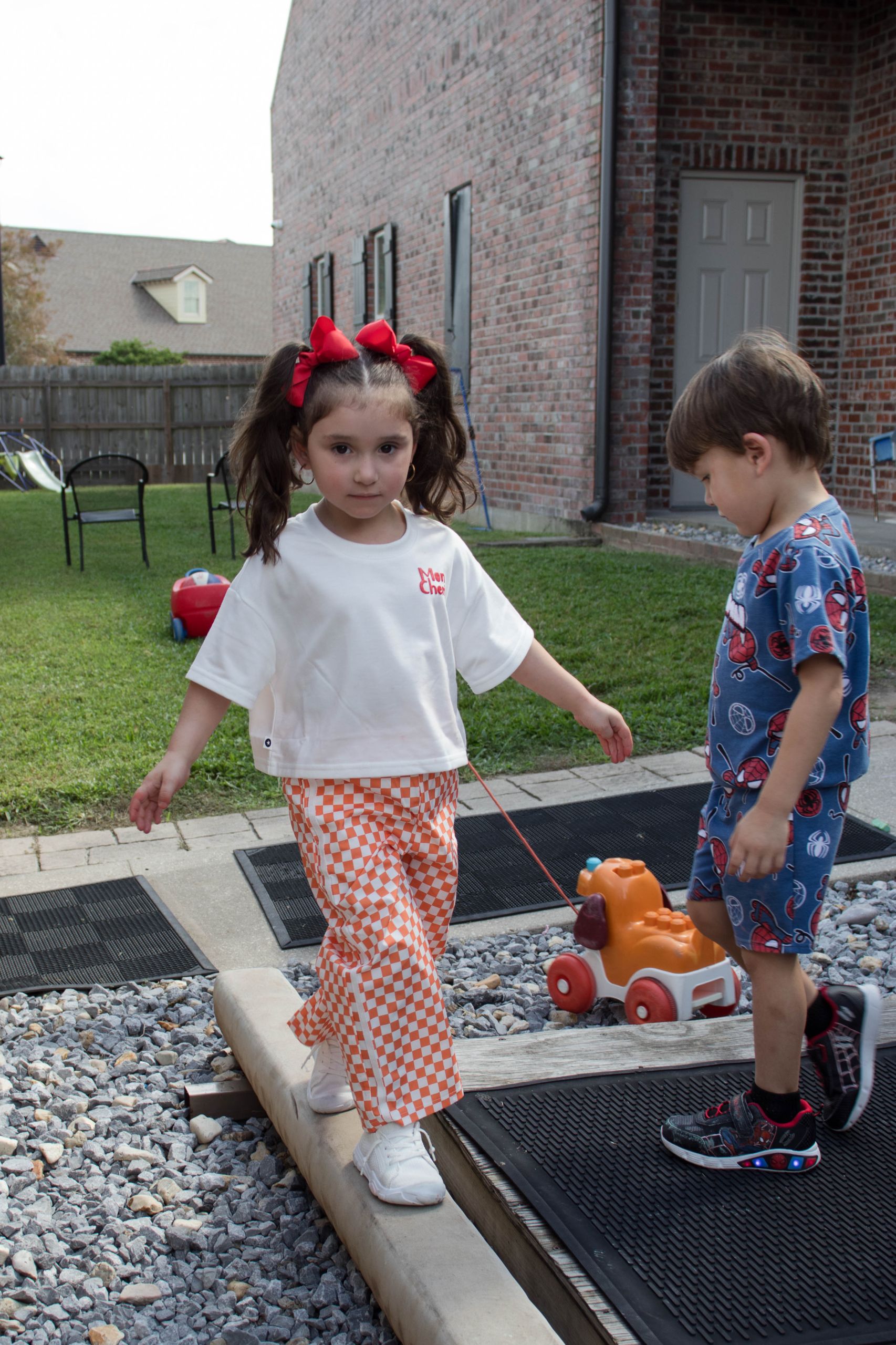
- Choose activities your child enjoys. Dancing, biking, jumping rope, playing catch, and building obstacle courses are all ways to get moving.
- Make movement a family activity. Join your child in a short walk or a game instead of simply reminding them to be active.
The goal isn’t to make every activity competitive or structured. It’s to help children see movement as a normal, enjoyable part of everyday life.
Connected Pick
Cosmic Kids Yoga
Cosmic Kids Yoga offers child-friendly yoga adventures that combine storytelling with yoga poses, movement, and mindfulness. Parents can use a short session as an active break between homework assignments or a way to help children unwind after a busy school day.
Unplugged Activities
Movement Challenge
Write several simple activities on slips of paper, such as jumping jacks, marching in place, balancing on one foot, stretching, hopping, or dancing. Place the slips in a bowl and let your child draw one at a time. Spend about 30 seconds on each activity before choosing another.
You can also let your child invent a movement and challenge the rest of the family to copy it. For younger children, turn the activity into an animal-movement game by hopping like a frog, stretching like a cat, or waddling like a penguin.
This activity helps break up sitting time while encouraging coordination, creativity, and family participation. Adapt the movements to your child’s age and abilities, and make sure there’s enough room to move safely.